
Meet Sarah.
Sarah was recently promoted to a sales management role.
She was successful in her previous role as a sales rep. She helped clients, met targets, got along with her peers, and was a respected employee.
If you’ve just stepped into a management role, parts of this may feel familiar.
Sarah and her manager assumed the obvious next step in her career was to become a sales manager.
Being good at sales, meeting targets and getting along with people doesn’t guarantee a successful management career. It’s a different role, with different expectations.
There are a number of skills that can be transferred to the role of manager, and others that need to be learnt and continuously developed.
A good manager removes obstacles so that their team members can achieve their goals. They ensure the right work processes are in place so the team can meet both individual and business goals. They make enquiries, connect team members with the right people, use reporting figures to motivate, and make things happen so results are delivered.
At different times, the same person will need to lead through influence. This involves forming a connection with team members, being authentic, inspiring others, and creating an enabling culture.
To do this well, it’s important to understand your own strengths and vulnerabilities and have a framework in place for your own professional development.
A team needs someone who can operate as both a manager and a leader. For someone new in an executive role, it’s important to understand the difference between the two and what is expected.
For Sarah to be equally successful in her new role, she will need to define what success looks like, have support from her superior, and access to the tools and resources to get the job done. Relying on past successes, luck, and a winning smile will only get you so far.
What Changes When You Become a Manager?
One of the biggest shifts is moving from individual performance to team performance. Your success is no longer measured by what you do alone, but by what your team achieves.
This requires a different mindset. Instead of focusing on closing deals yourself, you are now responsible for guiding others to do it consistently.
It also means making decisions that may not always be popular, having difficult conversations, and balancing business priorities with team needs.

Development Opportunities for a New Manager
These are some of the areas that typically need to be developed early.
For someone like Sarah, stepping into management opens up a range of development opportunities. These are not optional extras, but necessary areas to build capability in the role:
- Learning how to coach and develop team members rather than just directing tasks
- Building confidence in giving feedback, both positive and constructive
- Understanding how to manage performance and set clear expectations
- Developing communication skills for different situations, including difficult conversations
- Learning how to plan, prioritise and manage team workloads
- Gaining confidence in using data and reporting to guide decisions
- Building stakeholder management skills across the business
- Strengthening emotional intelligence and self-awareness
- Learning how to run effective meetings and one-on-ones
- Understanding how to create a team culture that supports performance and accountability
Training to Support the Transition
To move from a strong individual contributor to an effective manager, structured training can make a clear difference.
Some examples include:
- First-time manager training programs that cover core management responsibilities
- Leadership development programs focused on influence, communication, and team engagement
- Coaching skills training to support team development and performance improvement
- Performance management and goal-setting workshops
- Time management and prioritisation training for managing team demands
- Communication and difficult conversations training
- Sales management training for those leading sales teams
- Emotional intelligence and self-awareness programs
- Mentoring or coaching support from experienced leaders
- Self-paced online learning modules that allow managers to build skills while working
These types of training help bridge the gap between doing the work and leading others to do it well.
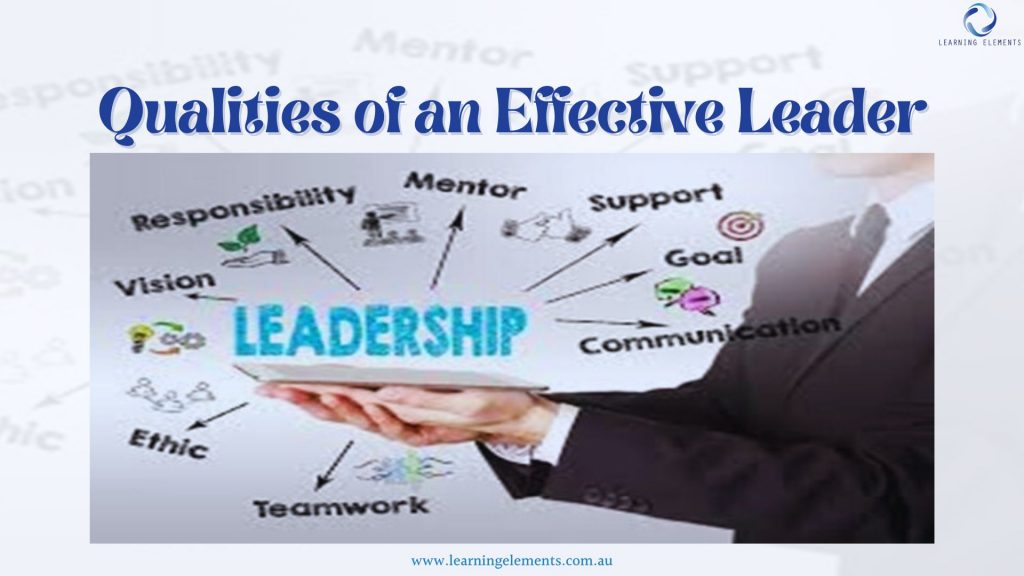
Building Your Own Framework
At different times, you will need to switch between managing tasks and leading people. Having a personal framework helps make sense of this.
This includes understanding your strengths, recognising areas for improvement, and actively working on them. It also means being open to feedback and willing to adjust your approach.
Without this, it is easy to fall back on old habits that worked in a previous role but are no longer effective.
Conclusion
For Sarah, and many others in similar situations, being promoted to manager is just the starting point.
Stepping into a management role brings a different set of expectations. It requires more than past success. It requires the ability to lead others, manage performance, and create the conditions for a team to succeed.
Success as a manager comes from learning, adjusting, and being intentional about how you lead and manage others. This includes building the right skills, seeking support, and engaging in the right training to transition effectively into the role.
Without this, it’s easy to rely on what worked before. With it, the move from individual contributor to manager becomes more structured, more supported, and more effective.
If you’re stepping into a management role and want structured support to build the right skills, consider how the right training and coaching can support your transition.
Reena Baumann is the Director of Learning at Learning Elements, a training and development company. Reena has a breadth of experience in sales, customer experience, training, coaching, training design and course-ware development spanning 20 years.
She is the creator of Comfortable Selling, a training program designed to help professionals feel comfortable and confident when selling their products and services.
Guided by her values, Dream Big. Be Curious. Follow Your Bliss. You’ve got this! Her goal is to be a conduit for change and help others grow in their roles and business.